?unique=6a92529)
?unique=6a92529)
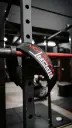
SN Ceinture d'Haltérophilie



Qu'est-ce que la ceinture d'haltérophilie légère de Sport-Nutrition.be ?
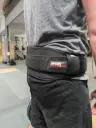
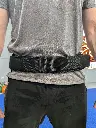
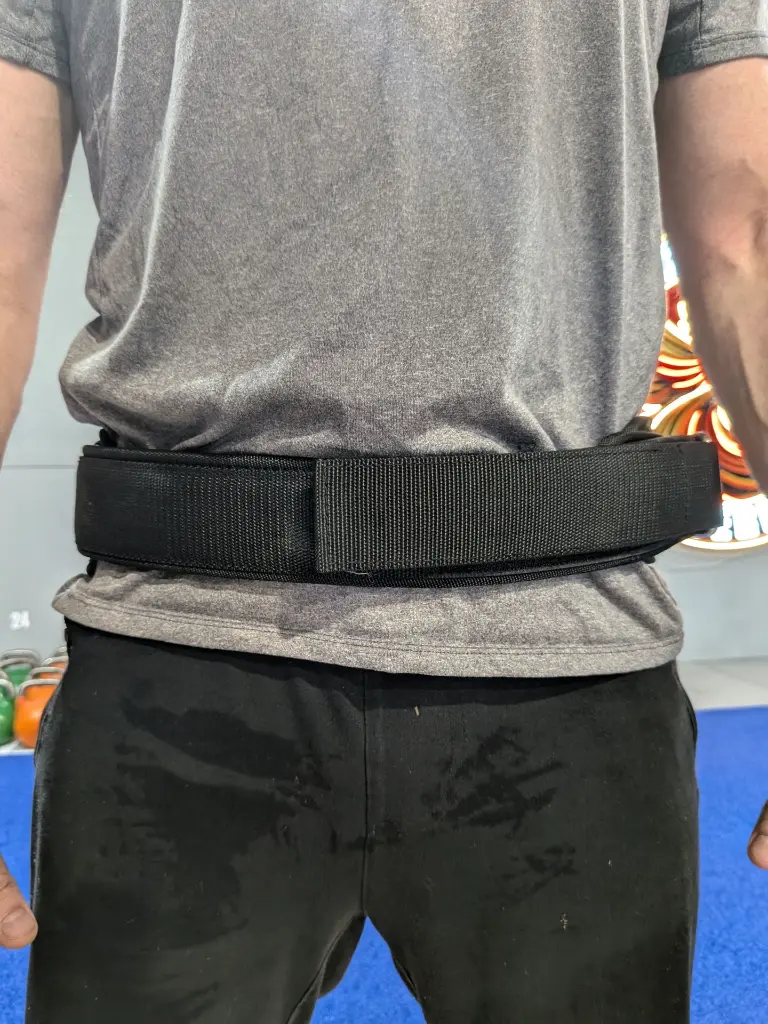
La ceinture de musculation « Sport Nutrition Light » est un accessoire d’entraînement conçu pour les athlètes qui recherchent une stabilisation du tronc et un soutien de la pression intra-abdominale, sans l’encombrement, la rigidité ni la période d’adaptation d’une ceinture de powerlifting traditionnelle en cuir. Fabriquée en néoprène souple et dotée d'une fermeture Velcro réglable, elle offre un maintien fiable pour un large éventail de mouvements en salle de sport, tout en restant suffisamment légère pour être portée en continu pendant toute la durée d'une séance.
Alors que les ceintures haute résistance sont spécialement conçues pour les levées de compétition exigeant un effort maximal, la ceinture légère est optimisée pour les conditions réelles d’entraînement : mouvements composés effectués en plusieurs séries, circuits de fitness fonctionnel, exercices au-dessus de la tête, soulevés de terre, squats et exercices complémentaires qui bénéficient d’un soutien du tronc sans nécessiter le verrouillage mécanique complet d’une ceinture en cuir rigide. La conception en néoprène procure également une douce chaleur au niveau des lombaires, favorisant la circulation sanguine et maintenant les muscles du bas du dos en état de préparation pendant les périodes de repos et entre les exercices.
Son profil fin et profilé épouse parfaitement le torse, évitant ainsi toute gêne au niveau des coudes et des hanches, contrairement aux ceintures de compétition plus larges lors de mouvements tels que les soulevés de terre roumains, les rameurs et les développés au-dessus de la tête. Attachez-la en quelques secondes grâce à sa fermeture Velcro, ajustez-la en cours de séance sans avoir à l'enlever, et concentrez-vous pleinement sur votre entraînement.
Entraînez-vous en toute confiance. Bougez librement. Soulevez plus lourd.
| Taille | S or M or L or XL |
| Marque | Sport Nutrition |
| Couleur | Noir |
Comment la ceinture d'haltérophilie légère de Sport-Nutrition.be vous aide à atteindre vos objectifs
🔒 Stabilisation du tronc et soutien de la pression intra-abdominale
Une ceinture d'haltérophilie agit en offrant aux muscles abdominaux un point d'appui, ce qui augmente la pression intra-abdominale lors de l'exécution de mouvements sous charge. Cette pression crée un environnement plus stable pour la colonne vertébrale, réduisant ainsi les forces de cisaillement et de compression transmises aux vertèbres lombaires sous l'effet de la charge. Cette ceinture légère assure cette fonction de stabilisation pour des charges d'entraînement modérées à lourdes, ce qui en fait un outil efficace pour le squat arrière, le squat avant, le soulevé de terre, le développé au-dessus de la tête et tout mouvement composé où la position lombaire est un facteur déterminant pour la performance et la sécurité.
💨 Néoprène respirant pour un confort optimal
La conception en néoprène offre un équilibre entre maintien structurel et confort que les ceintures rigides en cuir ne peuvent pas atteindre. Le néoprène épousent les mouvements du corps dans toute l’amplitude de ses mouvements, génère une douce chaleur qui permet de détendre les muscles lombaires entre les séries, et offre une aération suffisante pour éviter l’inconfort et les irritations cutanées liés au port prolongé de matériaux non respirants. Cette ceinture légère est ainsi idéale pour une utilisation tout au long d’une séance, quel que soit le type de mouvements effectués.
🤸 Profil fin pour une liberté de mouvement totale
La largeur réduite et le profil souple de cette ceinture légère permettent de conserver la profondeur de flexion des hanches, l'amplitude des mouvements au-dessus de la tête et la rotation du torse, que une ceinture large et rigide bloquerait ou limiterait. Les athlètes qui pratiquent le soulevé de terre roumain, les « good mornings », les swings avec kettlebell, les développés au-dessus de la tête ou des mouvements dynamiques de fitness fonctionnel bénéficient directement d'une ceinture qui offre un soutien sans limiter l'amplitude des mouvements.
⚡ Ajustement instantané grâce à la fermeture velcro
Le système de fermeture Velcro permet de serrer ou de desserrer la ceinture en quelques secondes entre deux exercices, sans avoir à la détacher ni à l'enlever. Cela s'avère particulièrement utile lors d'entraînements en circuit, de supersets ou de séances alternant des mouvements nécessitant différents niveaux de stabilisation. Serrez-la pour les exercices composés, desserrez-la pour les exercices complémentaires, et restez concentré sur la séance plutôt que sur la gestion de votre équipement.
🎯 Polyvalence dans les différents formats d'entraînement
Tout aussi efficace pour la musculation traditionnelle, les séances de gym axées sur l'hypertrophie, le CrossFit, le fitness fonctionnel, la préparation à l'Hyrox et l'entraînement physique général. Cette ceinture légère couvre l'ensemble des contextes d'entraînement en salle où un soutien du tronc apporte une valeur ajoutée, sans pour autant nécessiter la spécialisation d'une ceinture de powerlifting de compétition.
🎯 Guide des objectifs
🏋️ Prise de masse
Utilisez la ceinture pour tous les mouvements composés fondamentaux : squats, soulevés de terre, tirages et développés au-dessus de la tête. La stabilité du tronc permet directement d’utiliser des charges d’entraînement plus lourdes, et ce sont précisément ces charges plus lourdes, au fil du temps, qui constituent le principal moteur de l’hypertrophie musculaire. La ceinture vous permet de repousser vos limites lors des mouvements les plus importants.
🔥 Perte de poids / Sèche
Maintenez une intensité d'entraînement élevée en période de déficit calorique en conservant une bonne posture et un bon maintien de la colonne vertébrale malgré la fatigue. La ceinture légère favorise le maintien d'une bonne technique lorsque le corps fonctionne avec moins d'énergie, réduisant ainsi le risque de blessure, qui est accru pendant les phases de sèche lorsque la capacité de récupération est réduite.
⚖️ Recomposition corporelle
Permet de suivre l'entraînement à haute fréquence et très varié qu'exige la recomposition corporelle. Portez-le lors de mouvements composés et fonctionnels afin de maintenir un niveau de performance optimal séance après séance, tout en réduisant la fatigue cumulative du bas du dos qui limite la régularité de l'entraînement au fil des semaines et des mois.
Guide des tailles et ajustement
Placez la ceinture au centre du bas du dos, de manière à recouvrir la région lombaire, entre le bas de la cage thoracique et le haut des hanches. La ceinture doit être bien ajustée sans pour autant serrer : suffisamment serrée pour créer une résistance lorsque vous contractez vos abdominaux vers l’extérieur contre elle, mais suffisamment lâche pour vous permettre de prendre une inspiration complète vers l’abdomen avant de contracter vos abdominaux. Fixez la fermeture Velcro à l'avant.
Consultez le guide des tailles ci-dessous pour trouver la taille qui vous convient. Mesurez le tour de taille au niveau du nombril avant de passer commande :
| Taille | Tour de taille |
|---|---|
| S | de 59 à 79 cm |
| M | de 74 à 93 cm |
| L | de 84 à 103 cm |
| XL | de 95 à 113 cm |
Si votre tour de taille se situe à cheval entre deux tailles, optez pour la taille supérieure. Une ceinture trop serrée empêche la respiration diaphragmatique nécessaire à une utilisation correcte de la ceinture. Une ceinture offrant une marge de réglage de quelques centimètres vous permet d’ajuster précisément le maintien en fonction de vos préférences, quel que soit l’exercice pratiqué ou le nombre de couches de vêtements portées.
Les meilleures applications d'entraînement
🏋️ Squats et soulevés de terre : l'utilisation principale. Serrez fortement la ceinture avant d'entamer la descente ou la traction, maintenez cette contraction tout au long de la phase concentrique, puis relâchez légèrement en haut du mouvement avant la répétition suivante.
🏃 Mouvements olympiques et fonctionnels : les « cleans », les « snatches », les swings avec kettlebell et les circuits de fitness fonctionnel tirent parti de la chaleur au niveau des lombaires et de la légère stabilisation offertes par la ceinture en néoprène, sans pour autant restreindre les schémas de mouvement dynamiques requis par ces exercices.
💪 Exercices d'accessoire et d'isolation : soulevés de terre à la roumaine, « good mornings », tirages à la barre et développés au-dessus de la tête. La forme effilée de l'appareil évite toute interférence au niveau des hanches et des coudes lors de tous ces exercices.
🔄 Exercices à répétitions nombreuses et travail de conditionnement physique : lors des séances de conditionnement métabolique, d'entraînement en circuit ou d'entraînements de type Hyrox, où la détérioration de la technique sous l'effet de la fatigue constitue un risque réel, la ceinture fournit un repère proprioceptif constant permettant de maintenir la position lombaire.
Comment respirer avec une ceinture
La bonne technique consiste à prendre une inspiration profonde vers l'abdomen avant le soulèvement, en poussant activement toute la paroi abdominale vers l'extérieur contre la ceinture dans toutes les directions, puis à maintenir cette contraction tout au long du mouvement. Il s'agit de la technique de Valsalva. Respirer par la poitrine plutôt que par le ventre réduit l'efficacité de la ceinture de 60 à 70 % et doit être corrigé dès la première séance.
Entretien et maintenance
Laver à la main à l'eau froide avec un détergent doux après utilisation. Ne pas laver en machine ni passer au sèche-linge, car la chaleur altère à la fois la structure du néoprène et l'adhérence du velcro au fil du temps. Laisser sécher à l'air libre à plat et ranger le produit déroulé dans un endroit sec, à l'abri de la lumière directe du soleil. Vérifier régulièrement que la fermeture velcro ne présente pas d'accumulation de peluches et les éliminer à l'aide d'une brosse dure afin de préserver une adhérence optimale.
🏅 Sport Nutrition « Le saviez-vous ? »
Une étude publiée dans le *Journal of Strength and Conditioning Research* montre que le port d'une ceinture d'haltérophilie augmente la pression intra-abdominale jusqu'à 40 % par rapport à un soulevé sans ceinture avec la même charge. Cette pression accrue crée un renfort hydraulique autour de la colonne vertébrale qui réduit directement les forces de compression exercées sur les disques lombaires. Il est important de noter que cette même étude a révélé que l'utilisation d'une ceinture n'affaiblit pas le tronc à long terme lorsqu'elle est correctement utilisée : elle apprend aux muscles du tronc à se contracter plus fortement et de manière plus constante, une habitude neuromusculaire qui se répercute également sur les levées sans ceinture.
Q1 — Quelle est la différence entre une ceinture légère et une ceinture de powerlifting haute résistance ?
Une ceinture de haute résistance est généralement fabriquée en cuir épais ou en nylon rigide et mesure entre 10 et 13 mm d’épaisseur ; elle est spécialement conçue pour les levées de compétition à effort maximal en powerlifting. Elle offre le meilleur soutien mécanique possible, mais elle est rigide, inconfortable en cas de port prolongé et limite l’amplitude de mouvement dans la plupart des exercices de salle de sport. La ceinture légère en néoprène est plus fine, souple et conçue pour l'entraînement, quel que soit le mouvement ou le niveau d'intensité. Elle offre un soutien efficace du tronc sans la rigidité qui la limite aux levées maximales en une seule répétition.
Q2 — Les débutants devraient-ils utiliser une ceinture d'haltérophilie ?
Il est généralement préférable que les débutants se concentrent sur le renforcement de leur tronc et l'apprentissage d'une bonne technique de stabilisation sans ceinture pendant les 6 à 12 premiers mois d'entraînement. Une fois que les schémas de mouvement de base sont bien ancrés et que les charges deviennent significatives, une ceinture légère comme celle-ci constitue un excellent outil pour favoriser la poursuite des progrès. Utiliser une ceinture trop tôt peut masquer des problèmes techniques qu'il vaut mieux corriger sans soutien mécanique.
Q3 — Puis-je porter la ceinture pendant toute la séance d'entraînement ?
Oui. Contrairement aux ceintures en cuir rigides, qui sont inconfortables à porter entre les séries, la ceinture légère en néoprène est conçue pour une utilisation prolongée. De nombreux athlètes la gardent tout au long de la séance, en desserrant légèrement le velcro pendant les périodes de repos et en la resserrant avant les séries d'entraînement. La composition en néoprène respirant rend cette pratique possible sans inconfort.
Q4 — Quelle taille dois-je choisir ?
Mesurez votre tour de taille au niveau du nombril et consultez le guide des tailles. En cas de doute entre deux tailles, optez pour la taille supérieure. Une ceinture trop petite ne peut pas être portée à la bonne tension et peut causer une gêne au niveau de la fermeture avant. Une ceinture offrant une marge de réglage de quelques centimètres vous permet d’ajuster précisément la coupe en fonction de vos préférences en matière de maintien.
Q5 — Le fait d'utiliser une ceinture signifie-t-il que mes muscles abdominaux sont faibles ?
Non. La ceinture est un outil, pas une béquille. Les haltérophiles d'élite, les haltérophiles olympiques et les hommes forts, qui possèdent les troncs les plus développés au monde, utilisent tous des ceintures à l'entraînement et en compétition. La ceinture ne remplace pas la force du tronc : elle crée une surface de pression externe qui permet aux muscles du tronc de générer une pression intra-abdominale plus élevée que celle qu’ils peuvent produire contre l’air seul. Considérez-la comme un outil de performance, et non comme un dispositif correctif.